



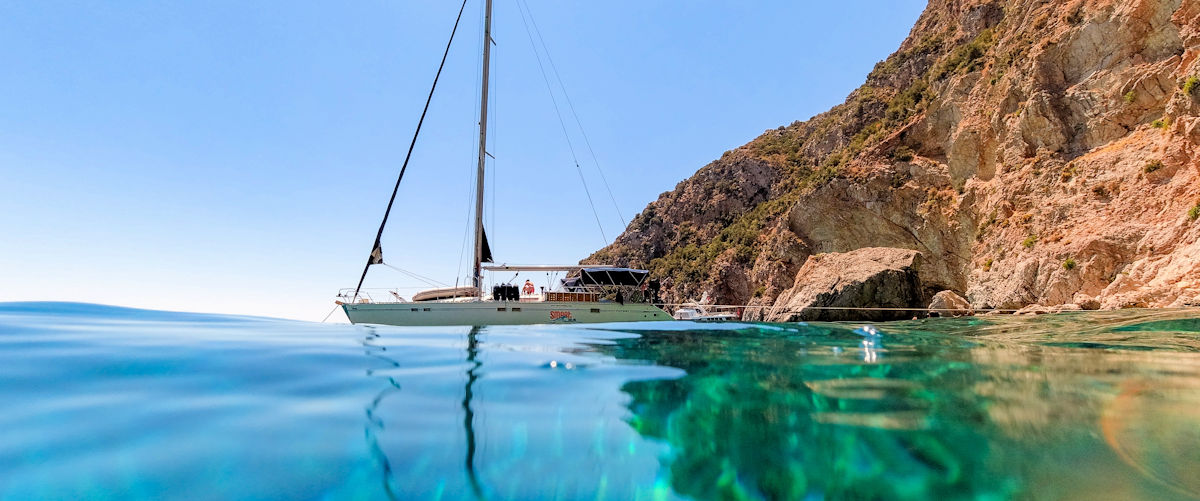
The fastest way to get an international certificate of competence in Turkey is to first confirm which authority can issue it to you, then complete an accepted practical qualification or an ICC assessment through an approved provider. For an IYT route, applicants are generally at least 16, must meet the nationality or residency rules under UNECE Resolution 40, and need evidence of competence for the vessel category and waters they plan to use.
An ICC can help you show officials that you are competent to operate a pleasure craft abroad. It doesn't guarantee that every charter company will accept you as skipper. Confirm the charterer's qualification list before you pay for training.
What Is an ICC Sailing Licence?
An ICC is an official certificate of competence for operators of pleasure craft, not a general sailing licence and not simply a course completion certificate. The certificate is based on UNECE Resolution 40, which sets out competence, certificate format, and eligibility rules. The RYA's ICC guidance explains that the document gives one government assurance that a person is competent to operate a pleasure craft in another country.
The word "international" can cause confusion. An ICC doesn't override the laws of the country where you sail, the flag state's rules, or the policy of a marina or insurer. You still need to check the local requirements for Turkey and every country on your route.
Can You Get an ICC in Turkey?
You can train for and apply for an ICC in Turkey through an authorised issuing route, but the correct issuer depends on your nationality and residency. Some countries that have accepted Resolution 40 require their citizens or residents to obtain an ICC from their own national authority rather than from an overseas training organisation.
Before booking, check three points:
- Your nationality and residence: IYT says eligibility can change if your country adopts Resolution 40, so verify your position with the issuing authority.
- The issuing body: Ask whether the provider issues the ICC or only trains and assesses you.
- The charter destination: Ask the charter company what it accepts for the boat you want to command.
IYT's official ICC certificate guidance lists the nationality and residency conditions in detail. If your situation is unclear, send the issuing authority proof of residence and ask for a written answer before enrolling.
The Two Routes to an ICC
There are two practical routes: use an existing accepted qualification, or complete the required training and assessment with an approved provider.
The existing-qualification route suits experienced sailors who already hold an accepted certificate. You submit the certificate, identity documents, photograph, and any required VHF evidence.
The training-and-assessment route suits sailors who need to build and prove competence. You complete the required theory and practical work, pass the assessment, and have the approved school submit the application.
The certificate you already hold must be on the issuer's accepted list. Under IYT's current guidance, examples include International Flotilla Skipper, International Bareboat Skipper, and Yachtmaster qualifications. The exact ICC endorsement depends on the course and vessel type.
Route 1: Use an Accepted Qualification
An accepted IYT qualification can let you obtain the matching ICC without sitting a separate ICC examination. IYT still requires account registration, a current government-issued identity document, a headshot, a shipping address, and a digital signature. You also need the relevant VHF certificate where the qualification requires it.
The paperwork matters. Upload clear copies, make sure your certificate is valid, and request the exact category you need: sail or power, the vessel size, and coastal or inland waters.
Route 2: Train and Take an Assessment
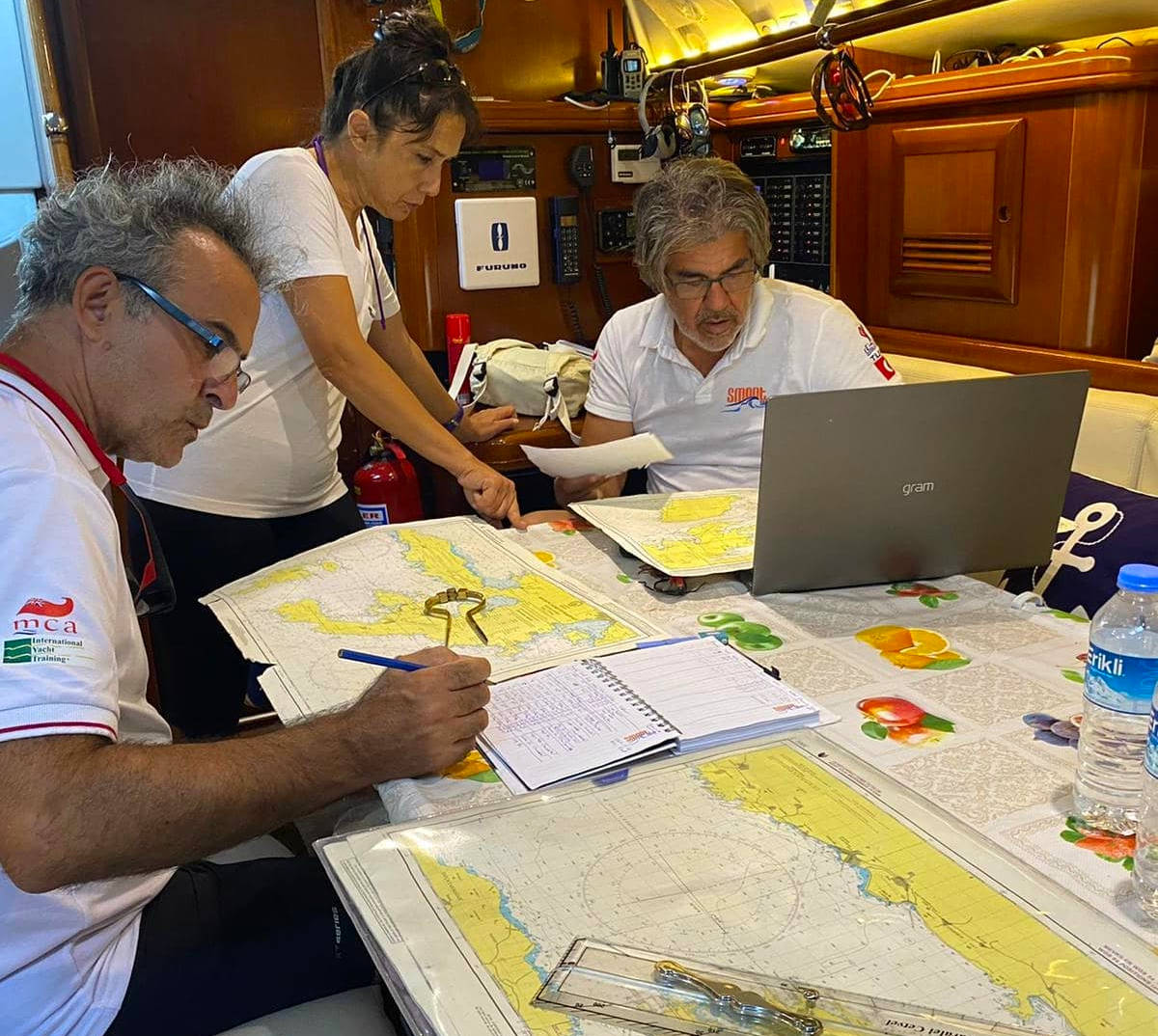
If you don't hold an accepted certificate, choose an IYT partner school that is specifically approved to offer ICC certification. IYT says the school must meet its approval requirements; being a sailing school alone doesn't prove that it can issue an ICC.
The school will normally assess your theory and practical competence. Expect questions and exercises around boat handling, safety, navigation, collision-avoidance rules, passage planning, and communication. The final scope should match the endorsement you request.
For students starting from zero, a staged path is usually safer than treating the ICC as a shortcut. Begin with crew-level skills, build practical time, then progress to a skipper qualification that charter companies recognise. Smart Sailing Academy's IYT course information shows this progression from International Crew and Marine Communications through Flotilla Skipper, Bareboat Skipper, and Yachtmaster options.
What Documents Do You Need?
Most applicants should prepare identity, competence, and delivery documents before training ends. The exact list varies by issuer, but IYT's application instructions identify these core items:
- A current passport or government-issued identity document
- A clear head-and-shoulders photograph
- Your accepted qualification or assessment result
- A valid VHF or SRC certificate where required
- Proof of residence if residency affects eligibility
- A digital signature uploaded to your applicant profile
- A complete postal address and telephone number
Don't send original documents unless the issuing authority expressly asks for them. Keep scans readable and check that names match across your passport, qualification, and application.
Which ICC Endorsement Should You Request?
Request the endorsement that matches the boat and waters you will actually use. A sailing endorsement can cover a sailing vessel up to 24 metres under IYT's stated scheme and can include a power endorsement for a small tender, while powerboat and personal-watercraft categories follow different limits.
The main choices are:
- Sail: for operating a sailing vessel within the stated size limit.
- Power: for operating a power-driven vessel within the stated size limit.
- Power and sail: for sailors who need both categories.
- Coastal waters: for coastal operation.
- Coastal and inland waters: for coastal and inland operation, usually after passing the CEVNI inland-waterways examination.
CEVNI is the set of rules used on many European inland waterways. It matters if your plan includes canals or rivers, not simply because you are applying in Turkey. Ask your provider whether it offers the CEVNI examination and whether the result will be recorded on your ICC application.
Does an ICC Let You Charter a Yacht?
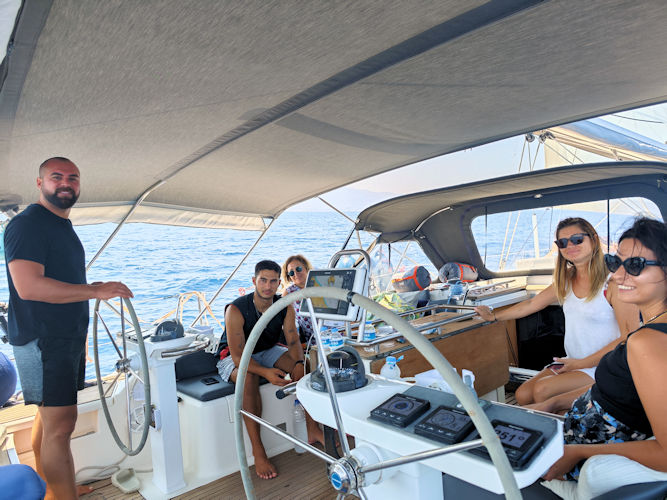
An ICC may satisfy a local request for evidence of competence, but it isn't a universal charter approval. IYT explicitly warns that some European charter and insurance companies ask for a higher skipper qualification because an ICC alone doesn't show enough command experience for a week-long bareboat charter.
Ask the broker these questions in writing:
- Is an ICC alone accepted for this boat?
- Is a separate bareboat or flotilla skipper certificate required?
- Does the boat's flag impose a different qualification rule?
- Is a VHF/SRC certificate required?
- Are there limits on boat length, area, catamarans, night sailing, or offshore distance?
This check is more useful than choosing a certificate by name. If your goal is chartering, compare the required qualifications before comparing course providers. Our guide to sailing licence costs in Marmaris can help you separate course fees from the documents and extras that a charter booking may require.
How Long Does the Application Take?
Application time depends on the issuing authority, document quality, assessment schedule, and delivery method. IYT says that, after a qualifying course, the approved school can order the qualification and ICC; applicants using an existing qualification submit their documents and receive an invoice before processing and shipment.
Don't book a yacht for the day after your expected certificate delivery. Leave time for an eligibility question, a rejected photograph, a missing VHF document, or courier delays. Ask the school for its current processing estimate before you book travel.
A Turkey ICC Checklist
Use this sequence before you commit money:
- Identify the boat category, length, and waters you need to cover.
- Check whether your nationality or residence allows the intended authority to issue your ICC.
- Get the charter company or insurer to confirm its accepted certificates.
- Choose an approved provider that can train, assess, or submit the application for your route.
- Confirm whether VHF/SRC and CEVNI are included or separate.
- Prepare your passport copy, photo, residence evidence, qualification, signature, and address.
- Complete the practical assessment and request only the endorsements you need.
- Wait for the certificate before taking command of a boat that requires it.
Important: Rules under UNECE Resolution 40 and each issuer's own eligibility criteria can change. Always confirm the current requirements directly with the issuing authority before enrolling or booking a charter.
FAQ
What is an international certificate of competence?
An international certificate of competence is a document that provides evidence that a pleasure-craft operator meets the competence level described by UNECE Resolution 40. It helps with boating abroad, but local law and charter-company rules still apply.
How do I get an international certificate of competence?
You get one by applying through the authority allowed to issue it to you, using either an accepted qualification or a theory and practical assessment. In Turkey, confirm the provider's ICC approval and your nationality or residency eligibility before booking.
Is an ICC the same as a sailing licence?
No. An ICC is evidence of competence for operating a pleasure craft abroad, while a sailing qualification records the training or assessment you completed. A charter broker may ask for both an ICC and a skipper certificate.
Can I get an ICC online?
Theory preparation or e-learning may be available online, but an online course alone doesn't necessarily prove practical boat-handling competence. IYT's guidance separates online preparation from the practical examination and approved-school process.
Do I need a VHF certificate for an ICC?
Often, yes, depending on the qualification and issuing route. Check whether your existing Marine Communications or SRC certificate is accepted before you apply, because IYT says VHF evidence can be required for the ICC category.
Do I need CEVNI for an ICC?
You need CEVNI when you want the coastal-and-inland-waters endorsement under a route that requires the inland-waterways examination. It isn't required just to request a coastal ICC for sailing in the sea.
How long is an ICC valid?
An IYT-issued ICC is valid for five years according to IYT's current certificate guidance. Renewal can depend on continuing eligibility, so check the issuer's current rules before the expiry date.
Sources & References
- IYT Worldwide: International Certificate of Competency - eligibility, endorsements, documents, validity, and charter warnings
- RYA: The ICC - purpose, Resolution 40, and application principles
- IYT Worldwide: Home - IYT course and school network information
- Türkiye Yelken Federasyonu Eğitim - Turkish sailing education categories and Marmaris listings
- Smart Sailing Academy: IYT Courses - local course progression and available training information
- InSailing: Sailing schools and courses in Turkey - Turkey course-market context and example formats